
 한국어


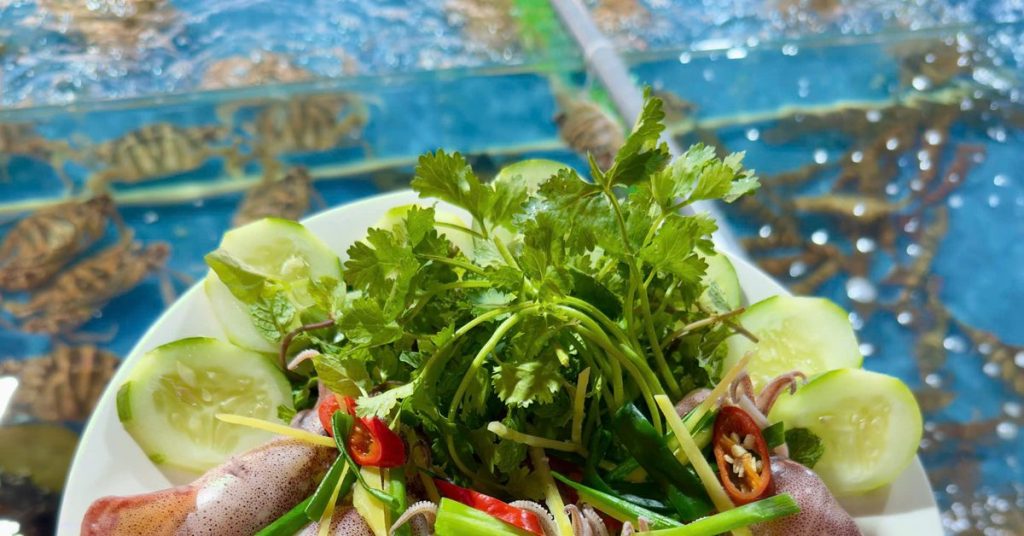
Hoi An sits where the Thu Bon River meets the sea, and seafood has always been part of everyday eating here – from the fishing boats pulled up on the sand to the family restaurants along the beach. The best seafood in Hoi An isn’t about fancy recipes: it’s live seafood, cooked simply, and eaten minutes after it leaves the tank.
We’re the family behind Nam Gia Seafood Restaurant on An Bang Beach, and we’ve been cooking seafood here since 2000. This guide covers how to choose well, how much to order and how to avoid surprises on the bill. New to the area? Start with our An Bang Beach guide.
How to tell if seafood is really fresh
In Hoi An’s seafood restaurants you choose from tanks and crates of seawater, so you can judge freshness yourself. Here’s what to look for:
- Lobster: lively legs and antennae, a tail that curls under when it’s lifted, and a heavy feel for its size.
- Crab: active, with all legs and claws attached. A crab that feels heavy for its size is full of meat.
- Prawns: swimming actively, with firm, glossy shells and heads still attached.
- Fish: clear eyes, bright red gills and steady swimming.
- Squid: glossy skin that still shimmers and changes color.
- Oysters, clams and scallops: shells closed, or closing when tapped, and a clean smell of the sea.
Why seafood prices change – and how to avoid surprises
Don’t expect a fixed price list for live seafood in Hoi An – and that’s normal. Live seafood is sold by the kilo, and the price changes with the season, the weather and the day’s supply. In the rainy season, roughly September to December, rough seas keep many boats in harbor and some seafood becomes harder to find. Size matters too: the price per kilo of a large lobster or crab can differ from a smaller one.
That’s why many menus say “market price”. A good restaurant tells you the price and the weight before anything is cooked:
- Ask the price per kilo for the seafood you like.
- Watch it being weighed, and note the weight.
- Ask for the total before cooking starts.
- Check the bill – the weight and price should match what you agreed.
Prefer to know the total in advance? Choose a set menu or seafood platter, or simply tell the staff your budget and let them suggest what to order. As a guide, most guests at Nam Gia spend around 500,000–800,000 VND (roughly US$20–30) per person for a full seafood meal.
How much to order
- Remember that the weight includes shells and heads – a kilo of crab gives far less meat than a kilo of fish fillet.
- In a group, share several different dishes rather than one big item. It’s how Vietnamese families eat.
- Start with two or three dishes – you can always add more.
- Round out the meal with fried rice or a fresh salad.
- Not sure? Ask the staff how many people a lobster or a fish of that weight will feed.
The best way to cook each kind of seafood
Vietnamese seafood cooking is simple and fresh: grilling, steaming, or a quick stir-fry with garlic, chili and herbs. Some classic matches:
- Lobster – grilled with garlic butter, or steamed to taste its natural sweetness.
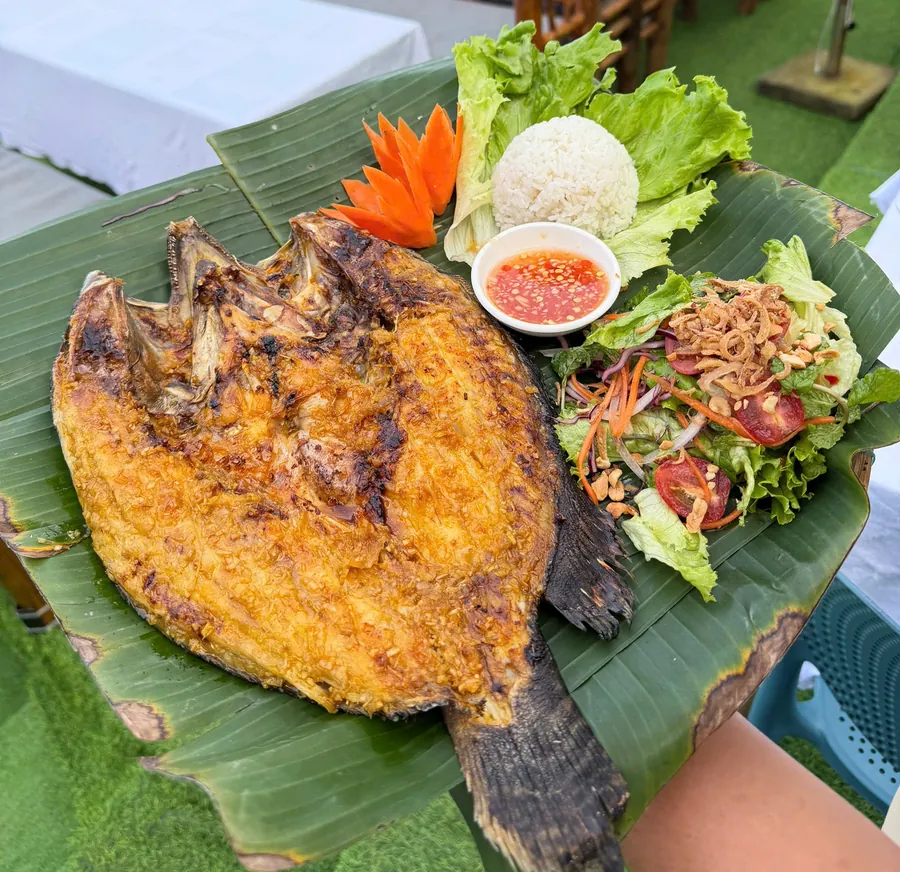
- Grouper and other fish – grilled in banana leaf, or steamed with ginger and soy sauce.
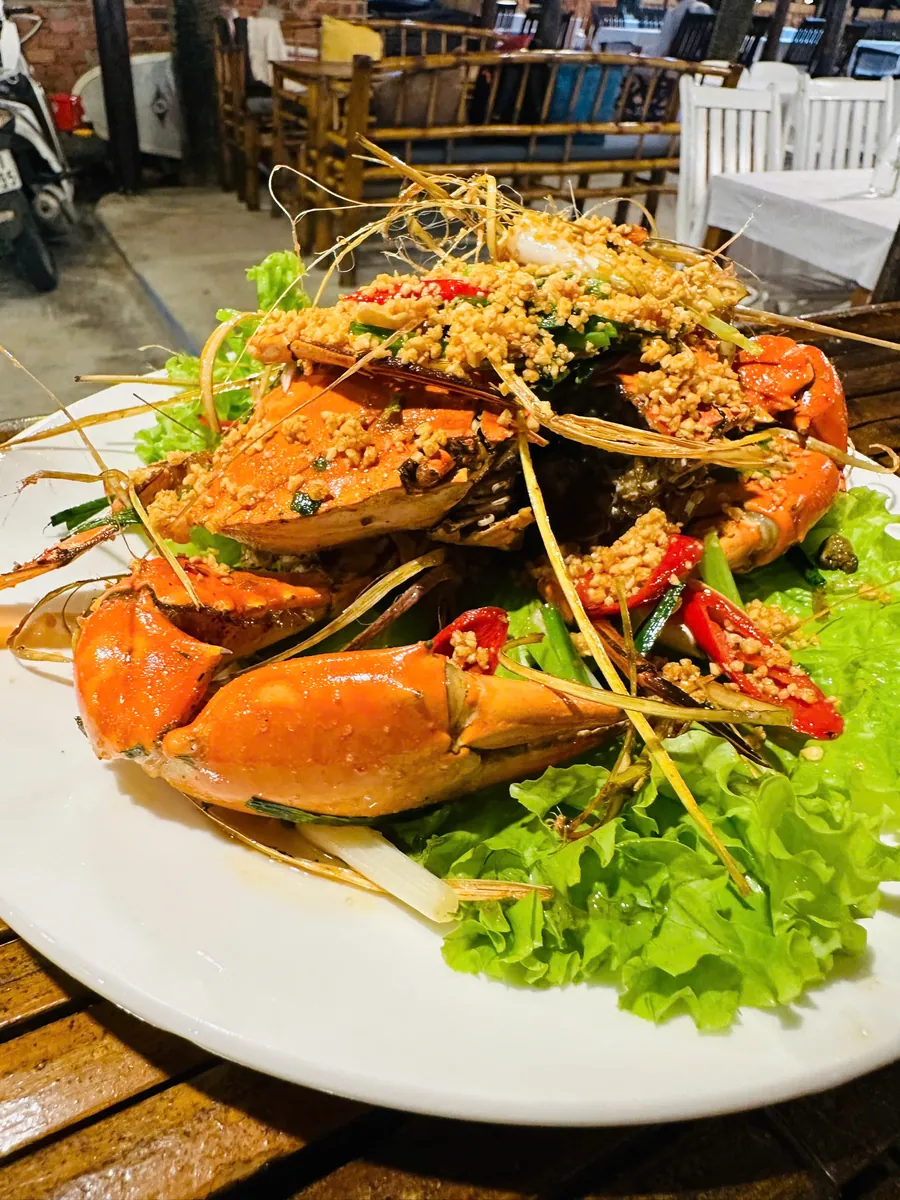
- Crab – steamed, or stir-fried with garlic, chili and lemongrass.
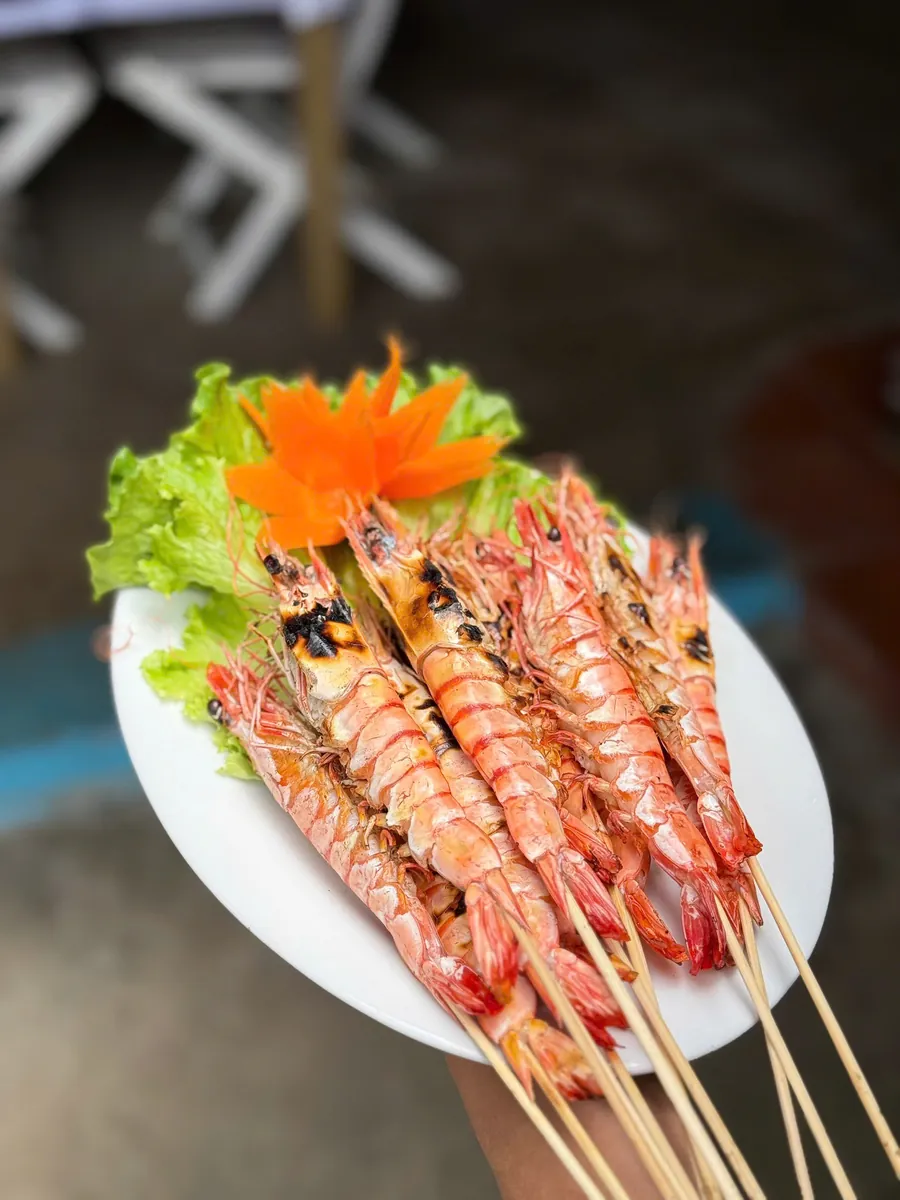
- Prawns – grilled with salt and chili, or simply steamed.
- Squid – steamed with ginger and herbs, grilled, or fried as crispy rings.
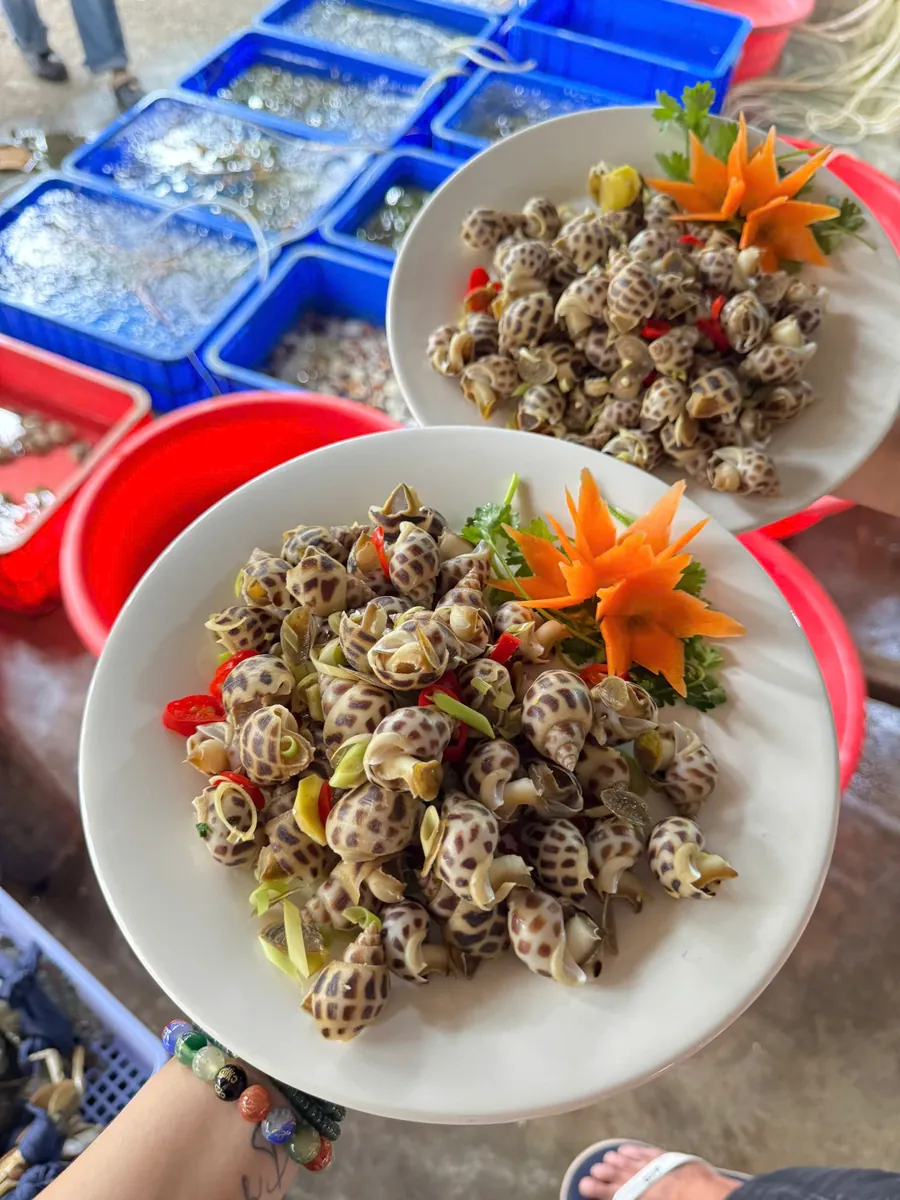
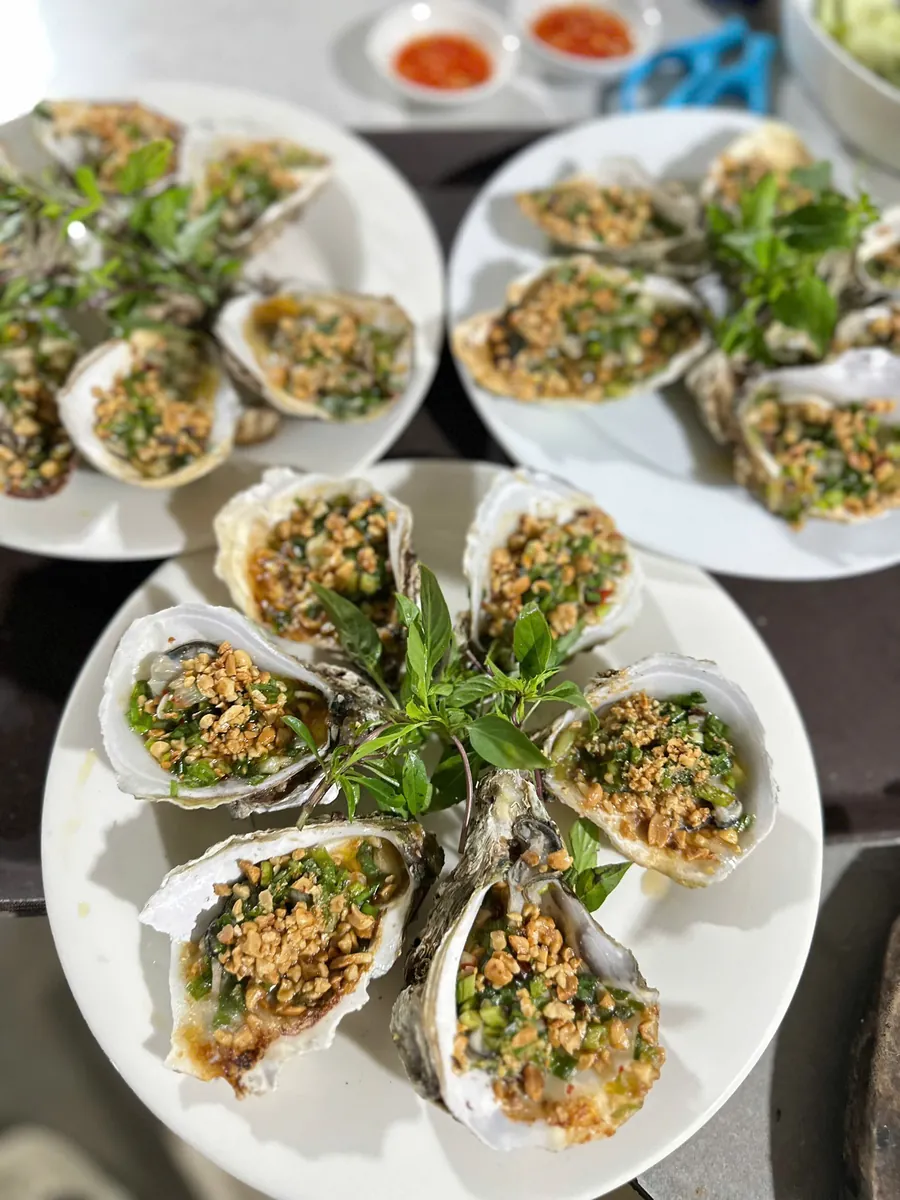
- Oysters, scallops and pen shells – grilled with scallion oil and roasted peanuts.
Everything comes with dipping sauces – usually salt, pepper and lime, plus a sweet-and-sour chili fish sauce. Squeeze the lime into the salt and pepper yourself: it’s the local way to eat steamed seafood.
Something different to try
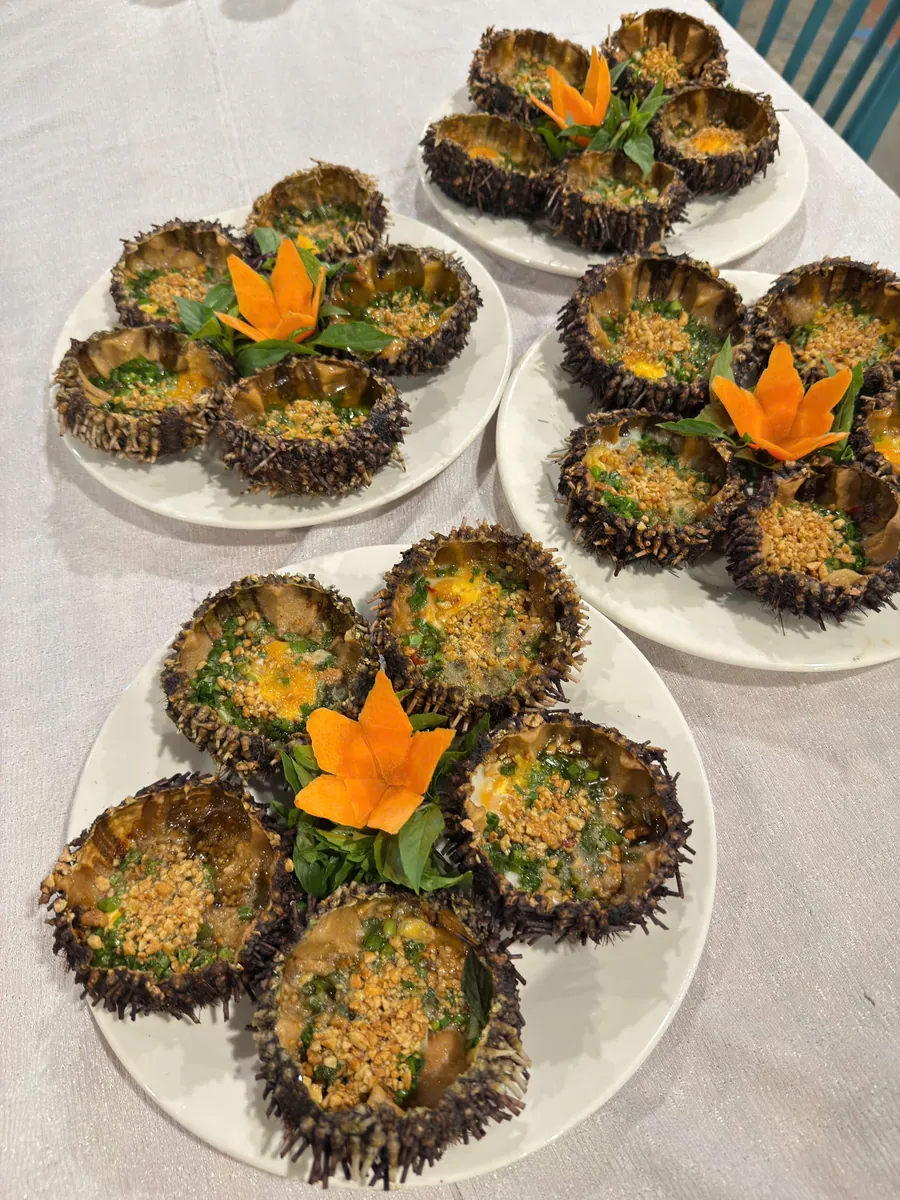
- Grilled sea urchin with scallion oil – rich and creamy.
- Sea snails dipped in chili-lime sauce – a local favorite with a cold beer.
- Mantis shrimp stir-fried with garlic – sweet, firm meat in a crunchy shell.
Allergies, spice and sensitive stomachs
- Tell the staff about any allergy before you order. Many grilled shellfish dishes are topped with roasted peanuts.
- Ask for chili on the side if you don’t like it hot.
- If your stomach is sensitive, stick to well-cooked dishes and skip raw oysters.
Seafood with a sea view at Nam Gia
At Nam Gia you pick your seafood from our tanks, we weigh it in front of you and tell you the price before it’s cooked. Our covered terrace looks straight onto An Bang Beach, and we have menus in English, Korean and Chinese. Only a few front-row tables sit right by the sand, so book ahead for lunch or the golden hour.
Hoi An seafood FAQ
What is the best seafood to eat in Hoi An?
The classics are grilled lobster with garlic butter, grouper grilled in banana leaf, crab, grilled prawns and oysters with scallion oil. For something more local, try grilled sea urchin or sea snails.
Why don’t seafood restaurants show a fixed price?
Live seafood is sold by weight, and the price per kilo changes with the season and the day’s catch. Ask the price per kilo, watch your seafood being weighed and confirm the total before it’s cooked.
How much does a seafood dinner in Hoi An cost?
It depends on what you choose. At Nam Gia most guests spend around 500,000–800,000 VND per person.
Is seafood in Hoi An safe to eat?
Choose restaurants that keep seafood alive in tanks and cook it to order. If you have a sensitive stomach, go for well-cooked dishes rather than raw ones.
Enjoy your seafood!
– The Nam Gia family


